
Is this Katadyn Filter (Hiker Pro) Worth It?
I'll unbox, assemble, and prep so you can see exactly what is needed. Then I'll test it in the wilderness!
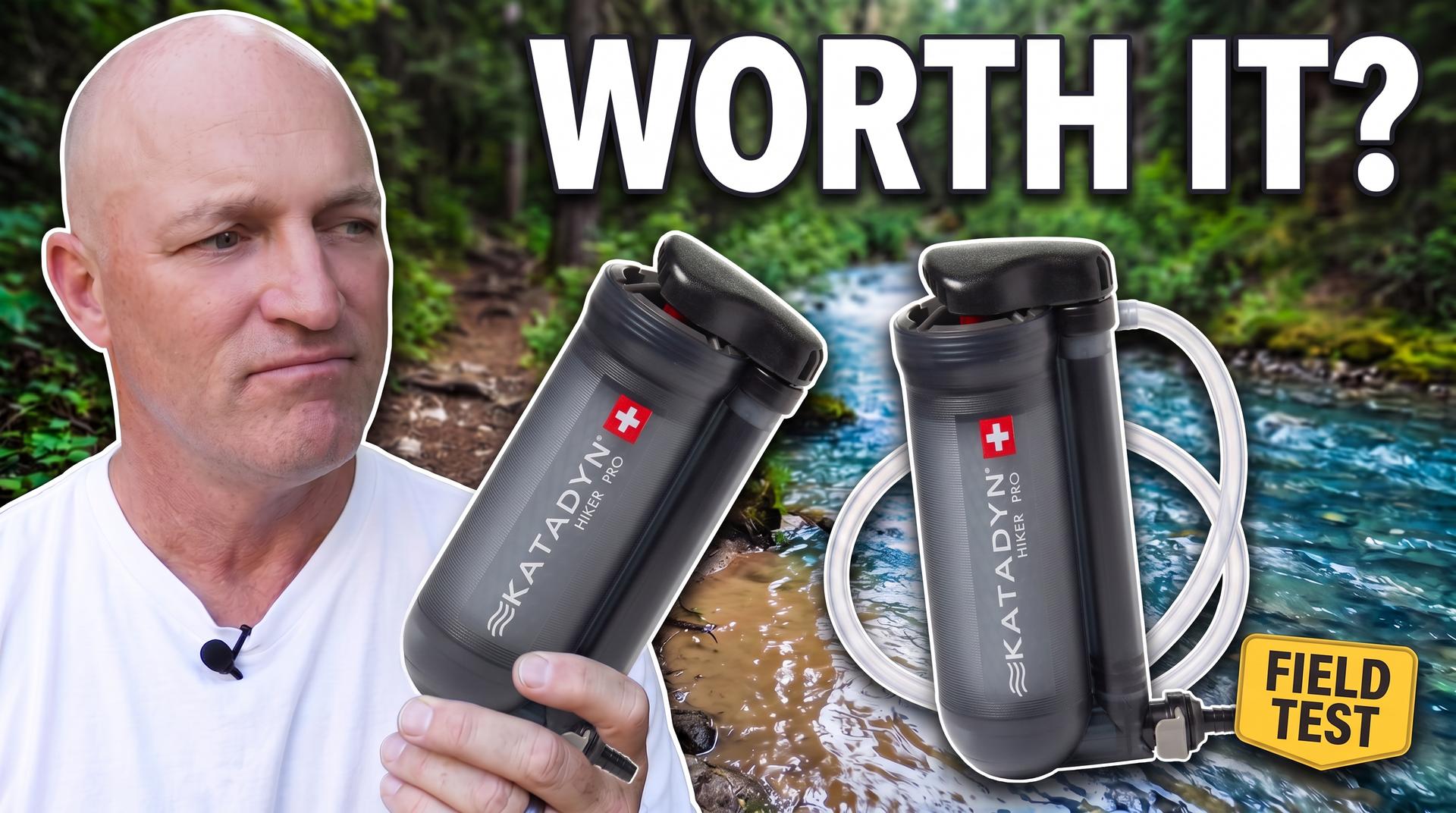
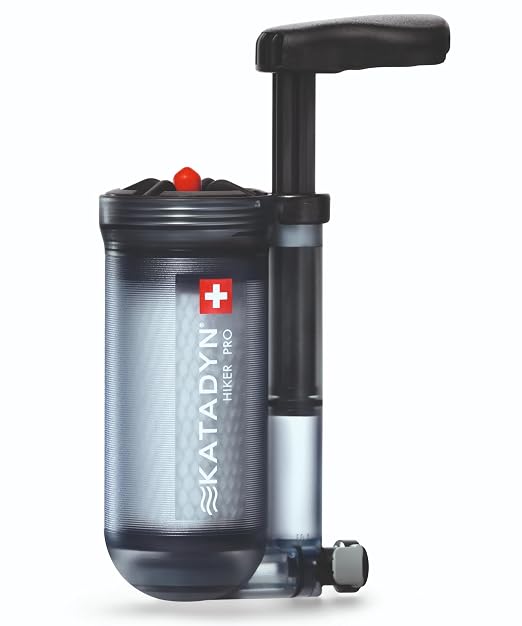
Katadyn Hiker Pro Water Filter
What we like
- Lightweight and relatively small for this type of filter
- Durable casing and parts
- Fast and easy pumping mechanism
- Field-tested it on the Tuolumne river in Yosemite without issue
What we don't
- Initial setup (inlet/outlet hose, flush) takes a few extra minutes
- Outlet hose prevents a tight close/packing position for the unit
- No built-in quick release for the outlet hose
Route Check
Is this Katadyn Filter (Hiker Pro) Worth It?
Recently I took Vung on her very first backpacking trip. Considering I've only been backpacking a few times in the last 20 years, we were both a little nervous. So we got a nifty little adjustable bear canister (see other video for review), a new backpack for Dan (since his is 30 years old), and of course, this Katadyn Hiker Pro water filter. Since we were going to be gone for a few days and didn't want to carry excess fuel to boil water or use iodine tablets. This was a welcome addition to our packs. To be honest, I've always wanted a portable water filter, so a win-win for me.
In this video, I'll walk you through unboxing and setting the unit up. Complete with inlet and outlet hose setup, cutting in a quick release, setting up the float and weight, and the initial system flush (don't skip this step!) We'll then head out into the deep wilderness of Yosemite and test it in the field. This was a real treat as we trekked along the Tuolumne river and passed many beautiful waterfalls (video of trip coming).
This is a real Katadyn Filter review. I've used several water filters before and most were either a bag or bottle top style. They never lasted so I wanted to try a more long-term robust solution. We brought it on our backpacking trip and tested it in the field.
So watch along and see how the Katadyn Hiker Pro functions in the wild. Watch until the end to see some important facts and information you certainly will need before making your decision to buy this product!
The Specs, In Plain English
| Filter type | Pleated glass fiber with activated carbon core |
| Pore size | 0.2 micron |
| Flow rate | About 1 liter per minute (~48 pump strokes) |
| Cartridge life | Up to roughly 300 gallons / 1,150 liters |
| Weight | About 11 ounces |
| Packed size | Roughly 6.5" × 3" |
| In the box | Pre-filter, filter protector, quick-connect fittings, hydration pack connector, universal bottle adapter, carry bag |
What that actually means on the trail: a liter in about a minute is fast enough that filling up for two people at a creek is a two-minute job, not a chore you dread. Eleven ounces is not ultralight — squeeze and straw filters weigh a fraction of that — but it buys you a pump you can operate from a bank without lying down in the mud, and a system that keeps working when the water is less than pristine.
How the Filtering Works
Three stages, which is more than most filters in this class:
1. The pre-filter. A small screen on the tip of the inlet hose catches leaves, insects, and debris larger than about 150 microns before anything reaches the pump. Simple, and it meaningfully extends cartridge life in mucky water.
2. The glass fiber element. This is the actual filter — 0.2-micron pleated glass fiber, marketed as AntiClog, with roughly 107–129 square inches of surface area. It works by depth filtration: particles get trapped throughout the fiber matrix, not just on the surface. That's why it holds a lot of sediment before clogging — and also why the cartridge itself can't truly be scrubbed clean, because the trapped particles are buried inside the material.
3. The activated carbon core. This doesn't catch organisms; it adsorbs chemicals, improving taste and killing off odors. It's why filtered pond water tastes like water instead of like pond.
The Pro version adds two things over the base Hiker: a removable, cleanable filter protector that shields the cartridge and extends its life, and quick-connect fittings that make swapping hoses far less annoying.
⚠️ What It Does NOT Remove: Viruses
This is the single most important thing to understand before you buy, and it's easy to miss under the marketing.
The Hiker Pro reliably removes bacteria (E. coli, salmonella) and protozoa — including Giardia and Cryptosporidium, the two that actually ruin backpacking trips. It does not remove viruses. Viruses are typically 0.02 to 0.3 microns, small enough to pass straight through a 0.2-micron matrix.
In practice, for backcountry travel in the Sierra, Cascades, Rockies, and most of North America, that's fine — waterborne viral risk in remote wilderness is low, and giardia and crypto are the realistic threats. Where it stops being fine is international travel, developing regions, or any water source with likely human sewage contamination. There, you want either a purifier (the MSR Guardian, for instance, filters viruses but is heavier, pricier, and flows about 2.5 L/min) or a chemical or UV treatment used alongside the filter.
Know which trip you're on. The Hiker Pro is a backcountry filter, not a world-travel purifier.
Setup and Field Care
Two things that matter more than the reviews suggest:
Flush the system when it's new. The initial flush isn't optional housekeeping — skip it and your first liters taste off. Do it at home, not at the creek.
Dry it completely before storing it. This is the single biggest determinant of whether your cartridge reaches its rated life or dies early. A damp cartridge in a stuff sack in a garage grows things. Pull it out, let it dry fully, then pack it away.
Also worth knowing:
- Avoid silty and heavily turbid sources when you have a choice. Sediment is what kills cartridges. Let murky water settle in a pot first, or find a clearer pull.
- The filter protector is cleanable — the cartridge underneath isn't. Clean the protector in the field to buy yourself more cartridge life.
- The housing outlives the cartridge many times over. With reasonable care the body should last essentially indefinitely; you're replacing a consumable, not the tool.
- Watch for taste before flow. The carbon core tends to saturate slightly before the glass fiber fully clogs, so water starting to taste different from fresh-cartridge output is your early warning that replacement is coming — even if pumping still feels fine.
Who This Filter Is For
Good fit if:
- You're filtering for two or more people — a pump beats a squeeze filter badly at group volume
- Your water sources are shallow, awkward, or silty — you can pump from a few inches of water without contorting yourself
- You want to fill a hydration bladder directly, which the quick-connect handles cleanly
- You'd rather have something field-serviceable than something disposable
Look elsewhere if:
- You're counting every ounce — squeeze filters weigh a fraction of 11 ounces
- You're traveling internationally or anywhere with sewage-contaminated water — you need virus protection
- You want zero moving parts and zero maintenance — a pump is a mechanism, and mechanisms need care
The honest summary: this is a mid-weight, mid-price, high-reliability pump filter. It's not the lightest and it's not the cheapest, and replacement cartridges aren't cheap either. What it is, is dependable and easy to live with — which on a first backpacking trip counts for a great deal more than saving six ounces.
⚠️ A Note on Conditions
Never assume backcountry water is safe untreated, however clear it looks — giardia and cryptosporidium are invisible and common. Match your treatment method to where you're going: a 0.2-micron filter like this one covers bacteria and protozoa but not viruses, so international or sewage-adjacent water needs a purifier or chemical treatment as well. Carry a backup treatment method (tablets weigh almost nothing) in case a filter clogs, freezes, or breaks — a filter that has frozen with water inside it may be permanently damaged and unsafe even if it looks fine. When in doubt about a water source, treat it as suspect.
Gear From This Trip
- Bear canister: Our bear canister review — the other piece of gear from this Yosemite trip, and the one that didn't go as well.
- More Stuff: More of Our Favorite Gear – These are items we use regularly, some we even review for you!
Sources & Reference Links
- REI — Katadyn Hiker Pro Clear Microfilter (quick-connect, field maintenance kit, 48 strokes/liter): https://www.rei.com/product/116363/katadyn-hiker-pro-clear-microfilter
- NRS — Katadyn Hiker Pro (129 sq in pleated glass fiber, 0.2 micron, 300 gallons, Pro vs base Hiker differences): https://www.nrs.com/katadyn-hiker-pro-water-filter/pjte
- Enwild — Katadyn Hiker Pro (11 oz, 6.5" × 3" packed, included accessories): https://www.enwild.com/katadyn-hiker-pro-2018.html
- OffGrid Filters — Hiker Pro review (virus limitation and sizes, depth filtration, why cartridge can't be cleaned, carbon saturating before flow drops): https://offgridfilters.com/reviews/katadyn-hiker-pro-transparent-filter/
- OutdoorGearLab — Katadyn Hiker review (1,100 L cartridge life, dry before storing, avoid silty sources, no virus removal): https://www.outdoorgearlab.com/reviews/camping-and-hiking/backpacking-water-filter/katadyn-hiker
- CleverHiker — Katadyn Hiker Pro review (150-micron pre-filter, housing longevity, MSR Guardian comparison): https://www.cleverhiker.com/backpacking/katadyn-hiker-pro-review/